
Águas Vivas Fórum Fest 2026: Water as Heritage, Science and Community in Esposende, Portugal
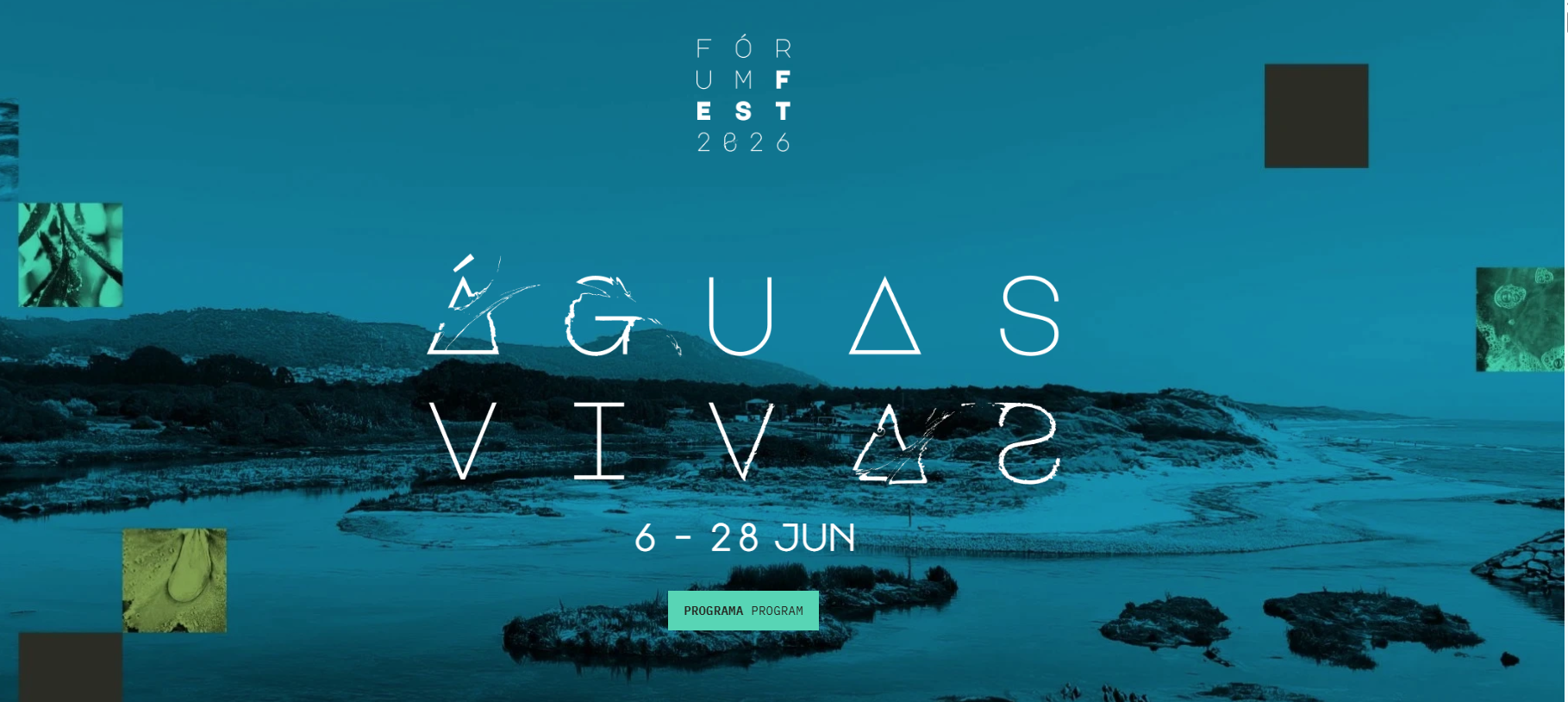
Between June 6 and 28, 2026, the northeastern town of Portugal, Esposende, became a meeting point where different voices came together to reflect, explore, and experience water. Rather than functioning as a traditional festival centred on a single performance, Fórum Fest adopted a decentralised format that transformed the municipality into a living laboratory where residents, NGOs, researchers, artists, educators and visitors engaged with the landscapes and waterways that define the region.
The festival was organised by Association Rio Neiva, in partnership with the Municipality of Esposende and more than twenty local, national and international organisations, including the Netherlands Helsinki Committee (NHC) as part of the Catalyst of Change programme.
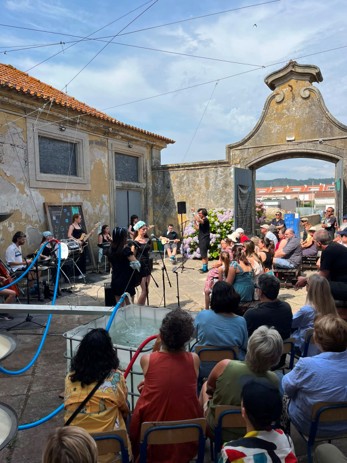
The programme featured 45 activities across 25 different locations. Activities took place in rivers, estuaries, beaches, forests, museums, archives, heritage buildings and other locations that are rarely accessible to the public, encouraging participants to experience Esposende’s natural environment directly rather than through conventional conference settings. All events were offered free of charge.
A defining characteristic of the festival was its interdisciplinary approach. The core scientific discussions, centred on climate resilience, coastal erosion and water management, were accompanied by installations, poetry performances, guided walks, exhibitions, community workshops, citizen science initiatives, and educational activities.
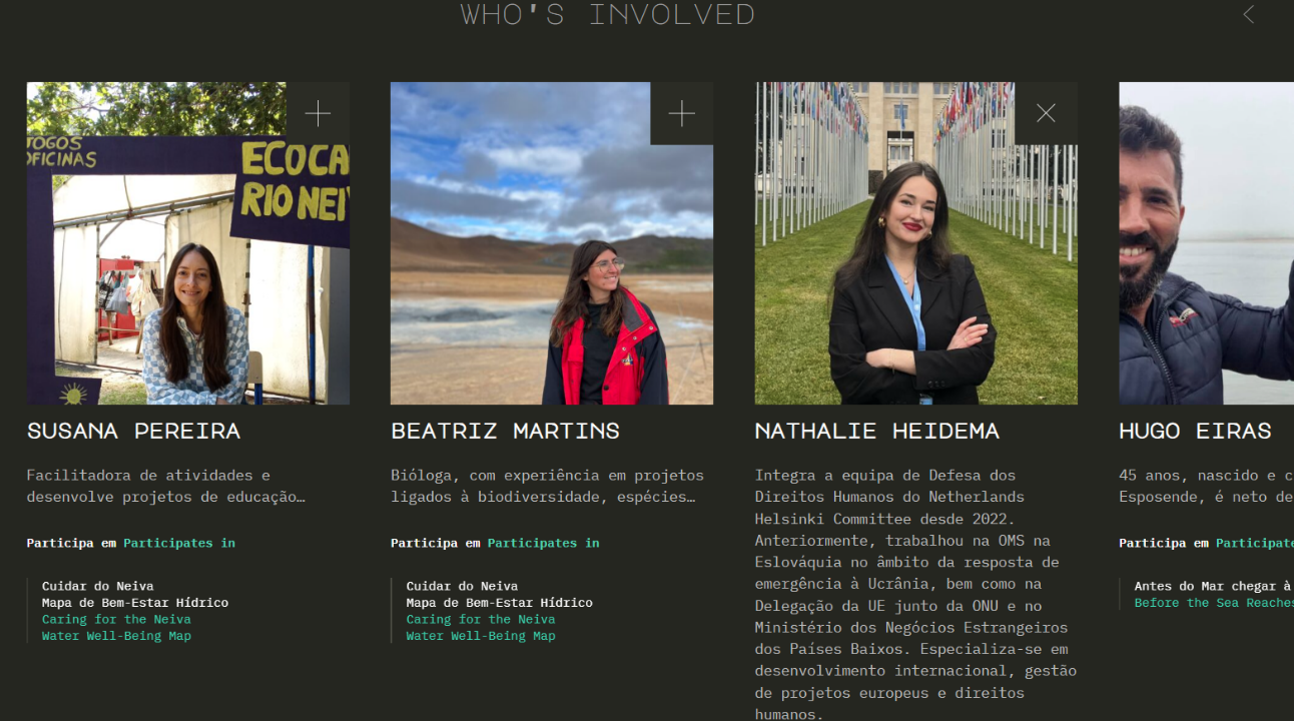
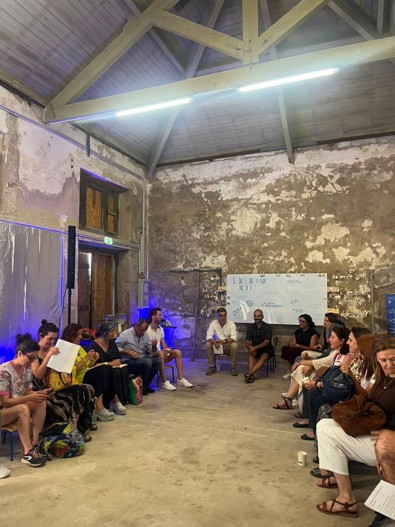
On June 12, 2026, one of the Forum-Fest’s distinctive events, “This Can’t Be Named”, brought civil society organisations together in dialogue. Designed to move beyond the traditional conference format, this gathering featured an unconventional networking and dialogue session. Among the contributors was Nathalie Heidema Silva from the Netherlands Helsinki Committee, who joined representatives from the Foundation Calouste Gulbenkian and BPI / Foundation “la Caixa” in sharing perspectives on supporting civil society organisations and strengthening collaborative approaches to community action. Her participation brought an international dimension to the discussion, contributing insights into the opportunities and challenges facing civil society across different contexts. By prioritising dialogue over formal presentations, the session fostered meaningful exchanges, encouraged new partnerships across sectors, and reinforced the importance of flexible, trust-based collaboration in advancing resilient and effective civil society initiatives.
The festival also placed a strong emphasis on community participation. Schools, cultural associations, sports clubs, environmental organisations and public institutions collaborated throughout the programme, reinforcing the idea that water is not solely a scientific or ecological issue but also one of culture, identity, memory and citizenship. Rather than presenting expert knowledge in isolation, the programme encouraged conversations between researchers, artists, decisionmakers and local residents, creating opportunities for shared learning and collective reflection.
Association Rio Neiva has received a grant through the NHC’s EU-funded Catalyst of Change project. To learn more about the forum visit click here; to learn more about the Catalyst of Change project click here.