Catalyst of Change Conference in Lisbon: Civil Society joins forces for a resilient future
How does civil society keep working amidst shrinking civic space? That and many more questions were answered during the final conference of the Catalyst of Change project in Lisbon. The event brought together 55 participants, representing civil society organisations (CSOs) from five different countries. Together, they reflected on the impact of the project and exchanged lessons learned.
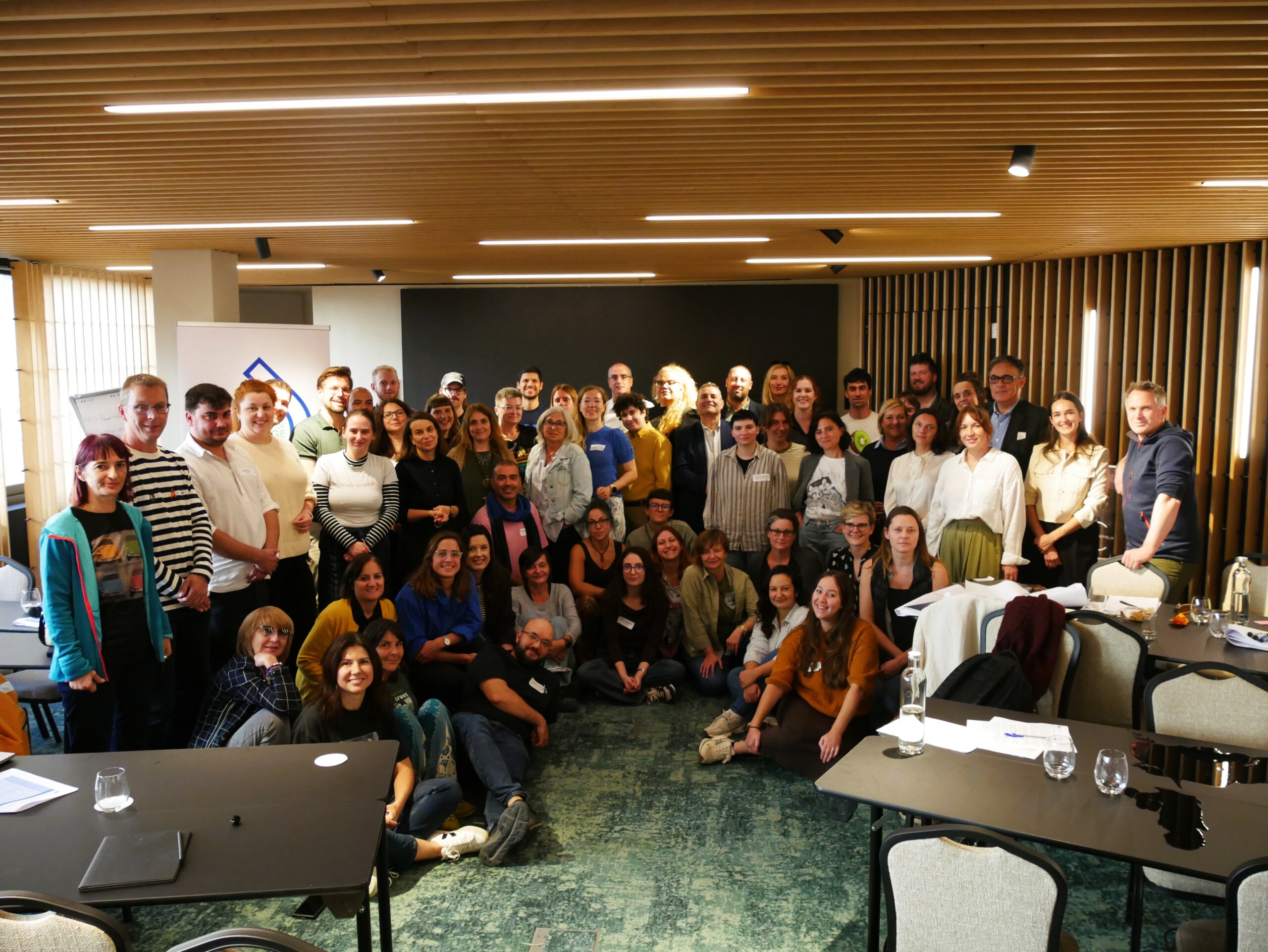
About the project: Supporting CSOs Across Five Countries
Catalyst of Change supported CSOs working on women’s rights, environmental justice and anti-corruption across Bulgaria, Croatia, Portugal, Romania and Slovenia. Over three years, the project supported 109 organisations and awarded €1.72M total in grants.
Day One: Challenges, Solutions and Impact
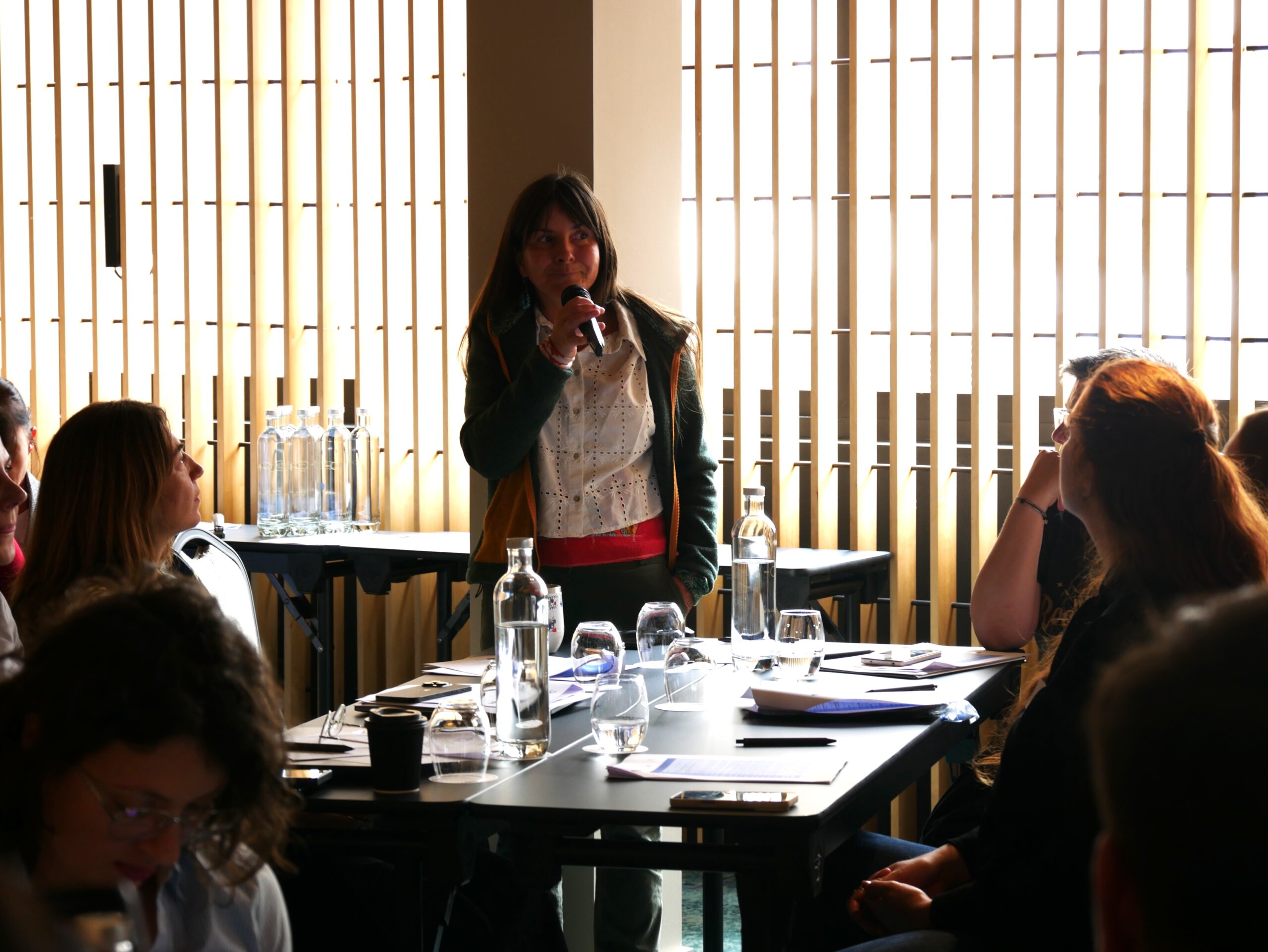
After opening remarks by Joeri Buhrer Tavanier, Executive Director of the Netherlands Helsinki Committee (NHC), and Eszter Hartay, Director of Law and Policy at the European Center for Not-for-Profit Law (ECNL), the first day focused on the challenges civil society faces and on possible solutions and effective approaches. Selected participants reflected on the challenges faced by CSOs in their respective countries.
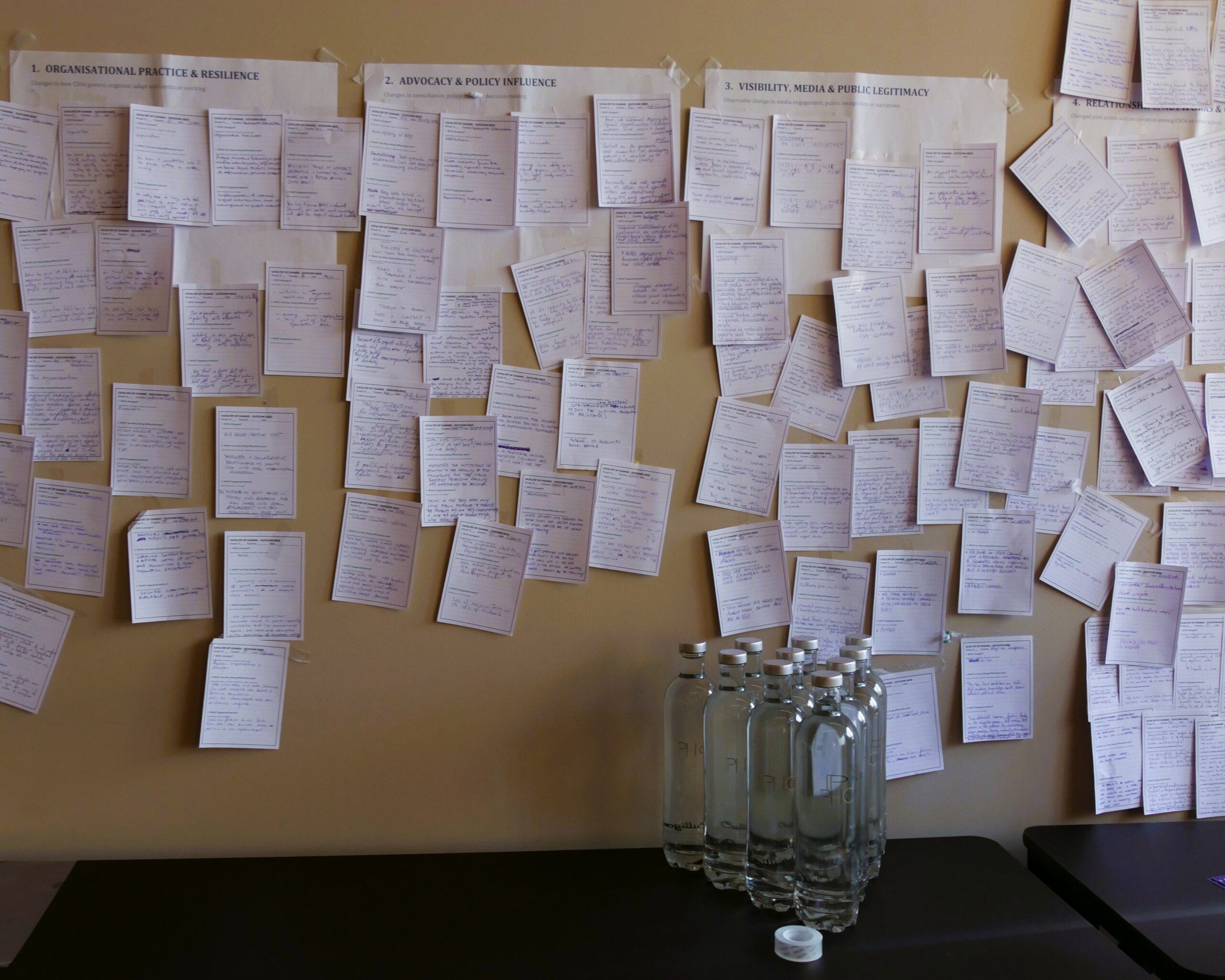
This exchange was followed by break-out sessions, where participants reflected on the outcomes and impact of the Catalyst of Change project, with a particular focus on the changes it has brought about in the behaviour and actions of key actors.
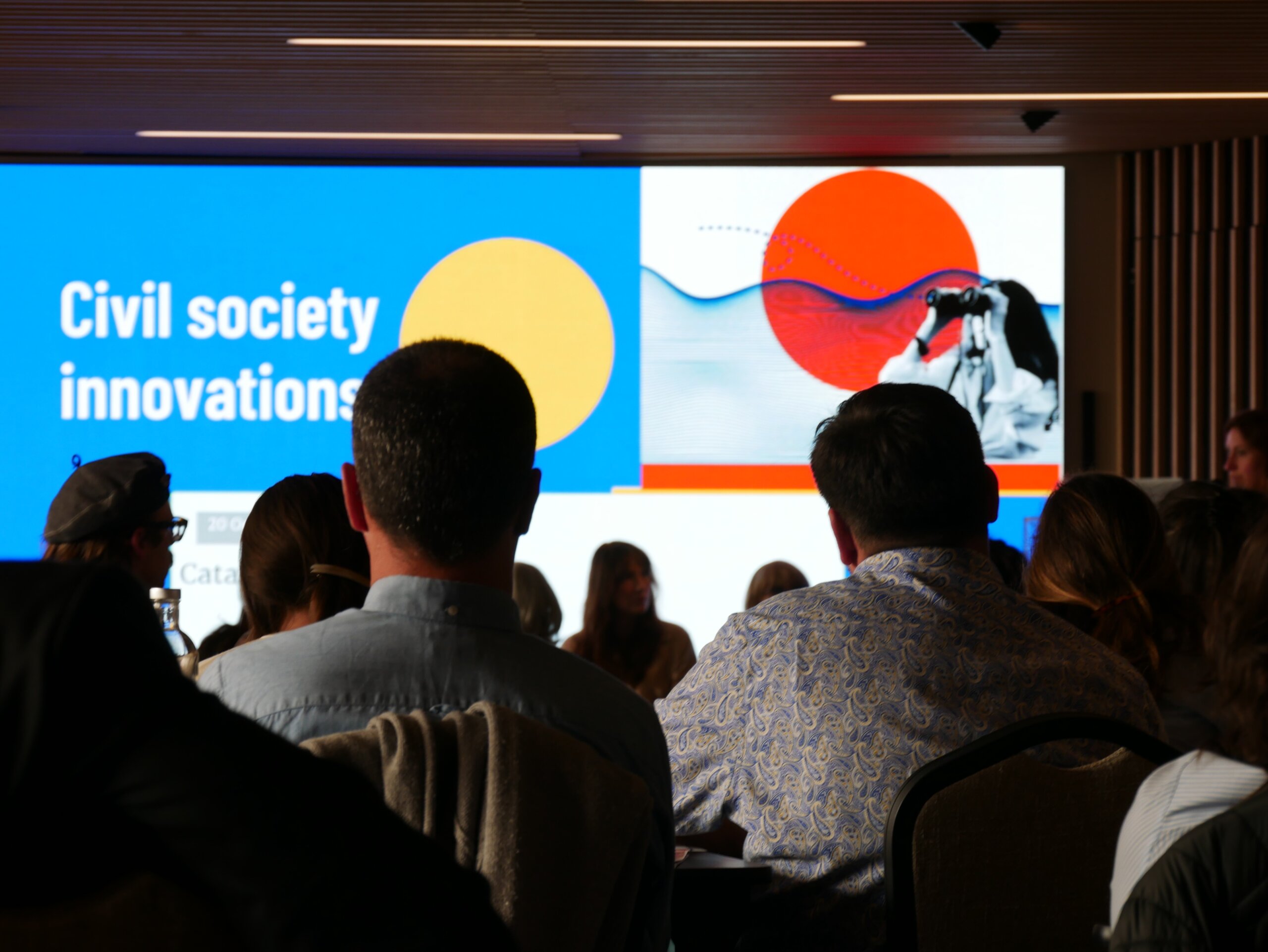
Towards the end of the day, five participants took part in a panel discussion, offering opportunities for peer learning and cross-sectoral exchange of ideas and inspiration. The panellists discussed innovative approaches that have helped them to tackle the issue their organisation aims to address.
What Catalysts are building: Solutions and innovations
Nik Völker from MiningWatch Portugal presented Canário, a Spanish and Portuguese initiative, providing whistleblowers in the environmental and mining sector with a secure, anonymous way to submit documents. It runs on the open-source platform GlobaLeaks and pairs those submissions with investigative research and cross-border collaboration.
Carmen Bulac from Romanian organisation Pe Stop presented the Network for Dignity programme, launched in 2022. The network has been strengthened through Catalyst of Change grants and now counts nearly 100 volunteers and community representatives in more than half of Romania’s counties. They work in urban and rural areas, segregated communities, detention centres for women, refugee centres and schools for neurodivergent children, where they deliver “dignity kits” and educate communities on menstruation, body and consent, while also conducting research. So far, they have reached 2,500 people through distributions and workshops, and over 3,000 have taken their Body and Consent Course.
Vanja Mladineo from Croatian partners Centre for Democracy and Law Miko Tripalo showcased their Corruption Compass, an educational guide to recognising and preventing corruption aimed at young people. As part of the project, they also developed a Corruption Map featuring documented corruption cases in Croatia.
Nejc Horvat, representative of Slovenian digital rights NGO Danes je nov dan discussed CSO Storyteller, an open-source AI-assisted tool designed to help anti-corruption organisations produce short-form video for social media. He argued that this tool can help CSOs who are strong in policy and research but struggle to communicate their outputs to younger audiences. CSO Storyteller relies on retrieving relevant stock video imagery with a script-writing assistant, a footage suggestion engine, a speech synthesiser and a video compiler, while retaining full editorial control over the output.
Maria Yordanova from The Center for the Study of Democracy in Bulgaria introduced STAIRS, an EU-funded multilingual chatbot offering guidance on whistleblower rights.
Day Two: Preparing for the Future
The second day focused on civil society resilience, and started off with a session on future thinking and approaches to preparedness, led by Mária Žilinčíková, Policy and Evidence Advisor at ECNL.
Initially, the discussion highlighted the growing pressures on CSOs. The common challenges among the participants included funding landscape, legislation, SMEAR campaigns, together they contribute to an environment that makes it hard to work in and to contribute to the objectives of the organisations. They also touched upon how the increasing workloads unfavourably impact mental health of the CSO staff.
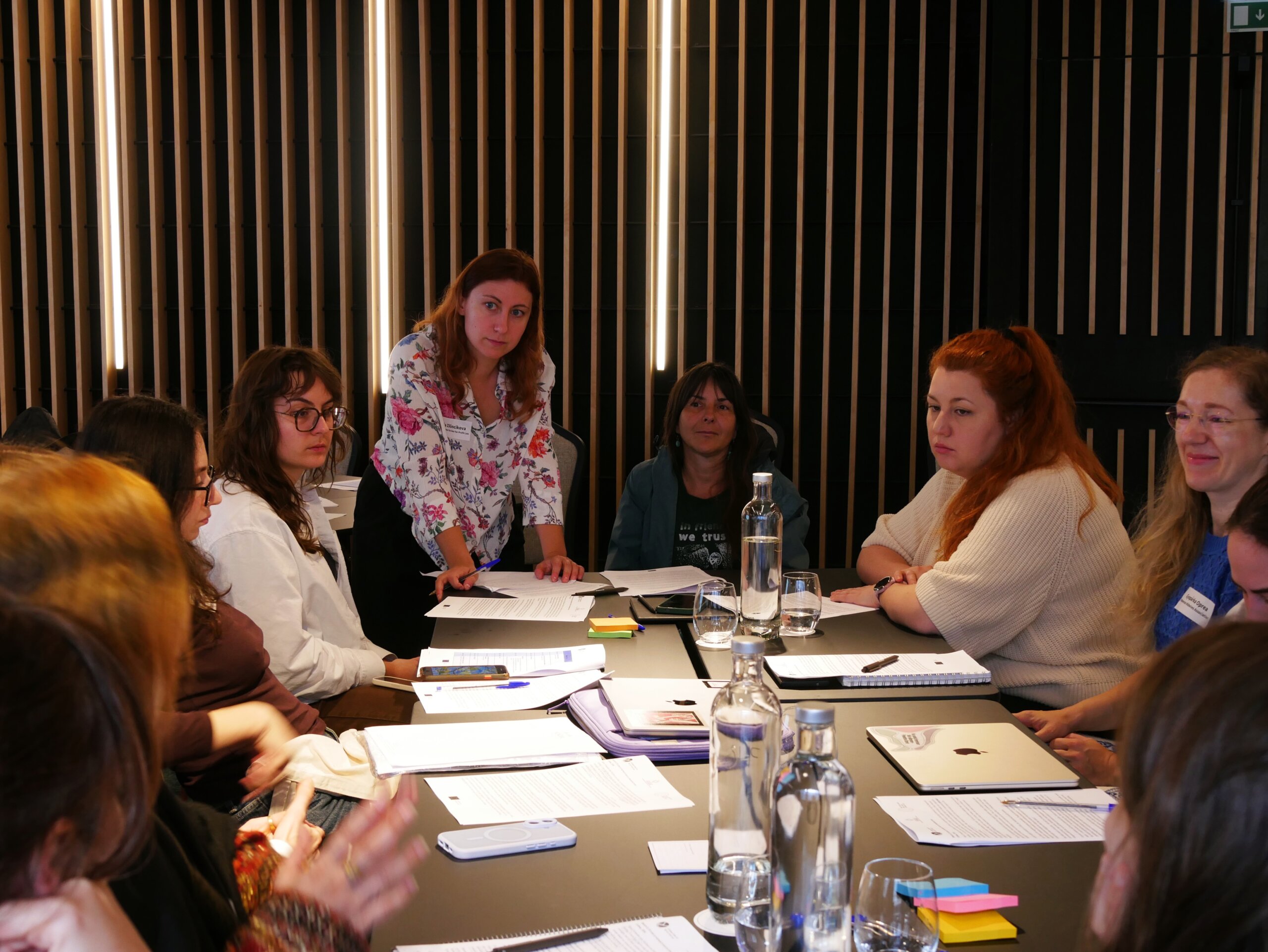
Participants were then prompted to reflect on opportunities to leverage new approaches, as well as actions they can take to prepare for the future. There was a general consensus on the importance of coalition building and knowledge exchange.
The session was followed by thematic breakout discussions, with participants split into four groups, each exploring a different topic: the intersection between artificial intelligence and human rights; the value of monitoring civic space; the use of strategic litigation to advance rights; and cooperation between CSOs and independent media.
Francesca Fanucci, Head of Law and Policy at ECNL, led a compelling session on how we can ensure AI strengthens (rather than undermines) human rights and democracy. Participants worked through a hypothetical case study in which a city council in a European country procured an algorithm to assess benefit applications to prevent fraud, without assessing fundamental-rights impacts or consulting civil society. They then drafted what an external impact assessment would look like.
Francesca also reviewed recent policy changes. During the session, the EU’s AI “Omnibus” Act that came into force on 27 July 2026 was discussed. It delays rules for high-risk systems until December 2027 and loosens some transparency requirements, which the organisation describes as deregulation under the guise of simplification. She also compared the EU AI Act with the Council of Europe’s AI convention, which, once in force, would oblige states to adopt measures assessing AI’s risks to human rights, democracy and the rule of law. The main value of the session was in challenging the participants’ understanding of AI’s impact on human rights work and bringing their legislation knowledge up to date.
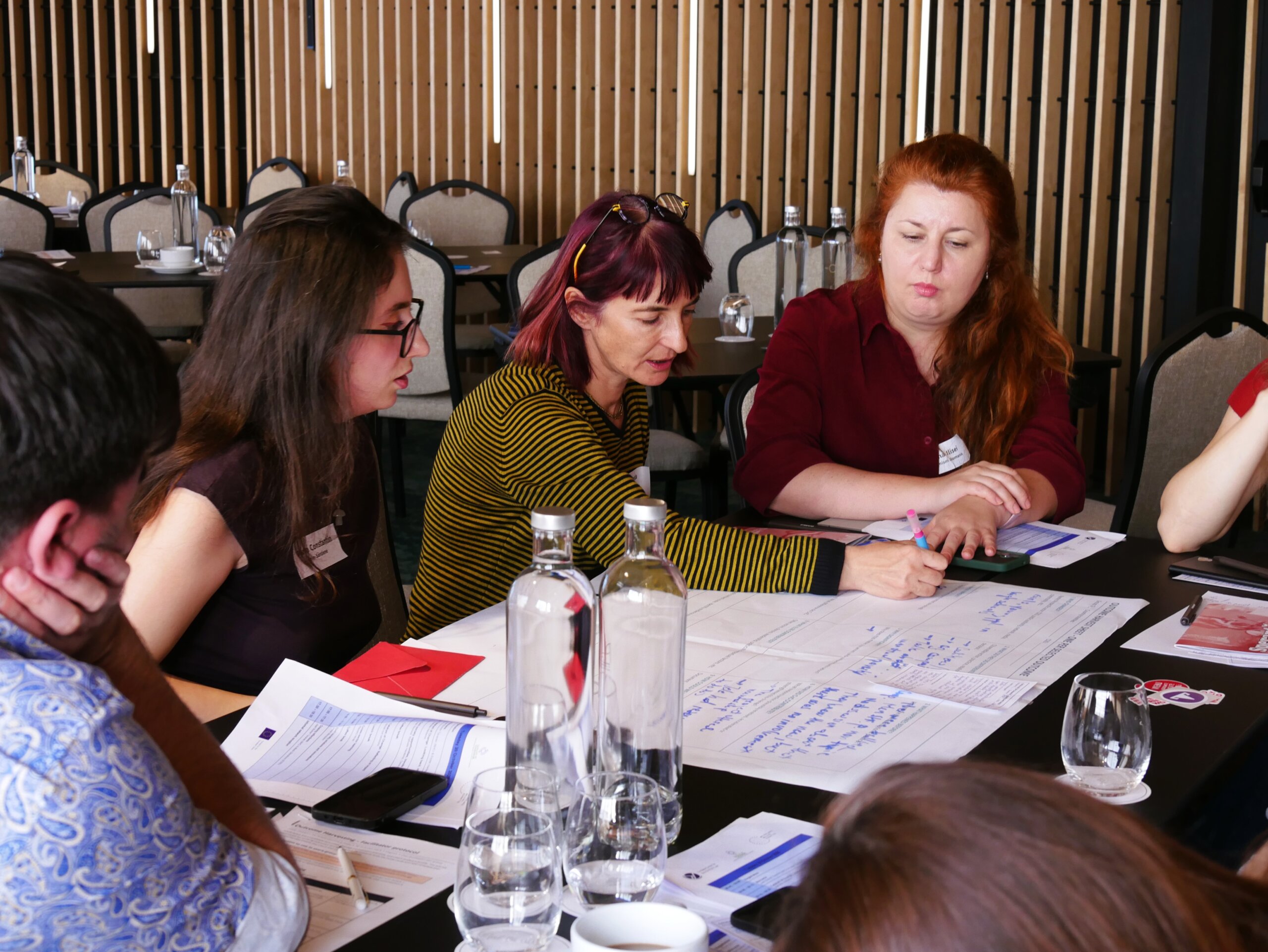
The day concluded with a session in which small groups reflected on the question how CSOs can maintain their influence in a rapidly changing landscape. Building on earlier discussions on future thinking and innovative approaches, participants discussed how to stay relevant, sustainable and effective in the upcoming years.
Looking Back on the Event
Reflecting on the conference, what stood out most was the resilience and determination of the participants. Across all five countries, CSOs are facing serious challenges: from smear campaigns and repressive legislation to funding cuts and overstretched teams. Yet, the Catalysts continue to find creative and innovative ways to adapt, maintain their influence and push for change. Their experiences were a powerful reminder that, even in an increasingly challenging landscape, civil society remains a driving force for change.
Learn more about the inspiring work of the Catalysts: https://www.nhc.nl/catalyst-of-change/meet-the-catalysts/